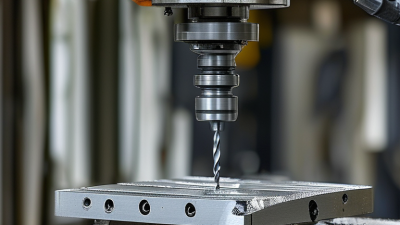
Why Choose a CNC Woodworking Machine for Your Business?
In today's competitive landscape, investing in a CNC woodworking machine is a strategic move for businesses aiming for efficiency and precision. According to industry reports, the global CNC machine market is projected to reach \$100 billion by 2025, driven largely by advancements in technology and increased demand for customization. These machines offer enhanced accuracy, reducing human error significantly in woodworking tasks.
Businesses equipped with CNC woodworking technology report a 30% increase in productivity. This leap allows manufacturers to scale operations while cutting down on waste. However, integrating such technology can be daunting. Not every company will see immediate success with CNC machines. Selection and training play pivotal roles in optimizing performance.
Ultimately, choosing a CNC woodworking machine requires careful consideration. It is essential to reflect on current processes and anticipate future demands. While initial costs may be high, the long-term benefits can outweigh these concerns. Investing wisely in CNC technology can lead to better craftsmanship and customer satisfaction.
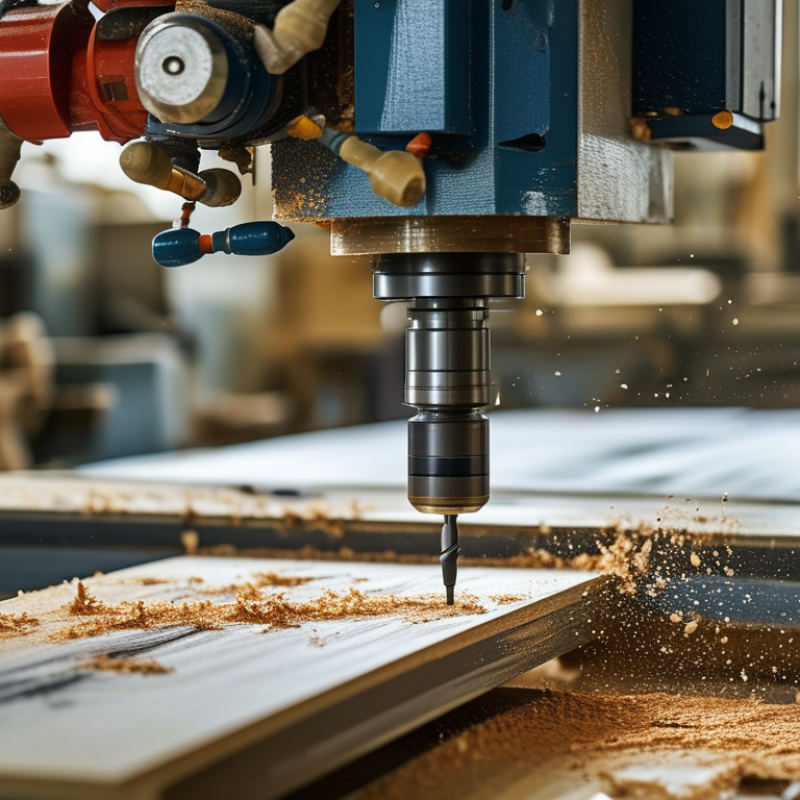
Advantages of CNC Woodworking Machines in Modern Business
CNC woodworking machines have become essential in modern business environments. They offer precision that manual tools simply cannot match. This level of accuracy allows for intricate designs and consistent quality. With a CNC machine, businesses can produce complex shapes and forms, leading to innovative products that stand out in the market.
Efficiency is another significant advantage of CNC machines. They can operate continuously, reducing downtime. This means higher output in less time. Workers can focus on design and planning instead of repetitive tasks. However, this reliance on technology requires proper training. Mistakes in programming can lead to costly errors. Using CNC machines demands careful oversight.
The initial investment for CNC technology can be significant. Small businesses may struggle to afford this equipment. Yet, the long-term savings in labor and material costs can make it worthwhile. Investing in technology often means adjusting workflows. Embracing change takes time and may lead to challenges. A successful transition to CNC machining demands patience and ongoing learning from all team members.
Key Features to Consider When Choosing a CNC Woodworking Machine
When selecting a CNC woodworking machine, several key features demand attention. Precision is paramount in this industry, as even a slight deviation can impact the final product quality. According to a report by the International Woodworking Fair, CNC machines with superior accuracy can reduce waste by up to 30%. Understanding the cutting speed and power also plays a crucial role in your decision-making. Faster machines can significantly increase productivity, but make sure they maintain quality standards.
Investing in a machine with user-friendly software ensures seamless operations. Complex programming can lead to errors, affecting production timelines. Seek machines that offer comprehensive support and training. This can save time and reduce potential mistakes during implementation. Also, remember to consider the machine's maintenance requirements. Regular maintenance can seem tedious, but neglecting it can adversely affect your output.
A crucial consideration is the material compatibility of the CNC machine. Not every machine handles every type of wood efficiently. This can influence your expansion into different markets. Engaging with industry professionals can provide insights into the best practices. Consulting forums and user reviews can also highlight common pitfalls. This can guide your selection process, ensuring your investment yields long-term benefits.
Comparative Analysis of CNC Woodworking Machine Features
This chart represents the importance of various features to consider when choosing a CNC woodworking machine. Precision stands out as the most critical feature, followed closely by speed and ease of use.
Impact of CNC Technology on Efficiency and Productivity
CNC technology has transformed the woodworking industry, enhancing efficiency and productivity significantly. Automated machines can handle complex designs precisely, reducing human error. This leads to consistent quality in every piece produced. Businesses can meet increasing demands without sacrificing quality, as CNC machines operate tirelessly, reducing production time.
Streamlining processes is crucial. Consider organizing workflows to take full advantage of CNC capabilities. Allocate specific tasks to machines, allowing for faster turnaround times. Monitor machine performance closely to identify potential issues early. This proactive approach ensures consistent output and can prevent costly downtime.
Investing in training is vital. Ensure your staff is well-versed in CNC operations. Knowledgeable operators can optimize machine settings and troubleshoot effectively. They can also provide feedback for improvements. This focus on skill development creates a more robust and adaptable workforce, ultimately enhancing productivity even further. Reflecting on ways to improve processes can yield significant benefits for your business.
Cost-Benefit Analysis of Investing in CNC Woodworking Equipment
CNC woodworking machines offer substantial advantages that can transform a business's efficiency. Investing in this technology can lead to cost savings over time. According to a report from the Association of Woodworking & Furnishings Suppliers, automated machinery can cut labor costs by up to 40%. This reduction is crucial in a market where skilled labor may be hard to find.
Precision is another critical benefit. CNC machines streamline the production process, reducing material waste by 20%. The ability to create intricate designs consistently enhances product quality and customer satisfaction. However, the initial investment is significant. Businesses must weigh the upfront costs against potential long-term savings and revenue growth.
Tips for making a sound investment include examining your production needs closely. Understand your order volumes and complexities. It’s wise to start with a machine that meets immediate demands but still offers scalability. Additionally, factor in maintenance costs, which can be overlooked initially. Failures can lead to downtime, ultimately impacting profit margins. Research thoroughly. Choose a reputable provider who offers post-sale support and training to ensure you maximize the benefits of your CNC equipment.
Applications of CNC Woodworking Machines Across Various Industries
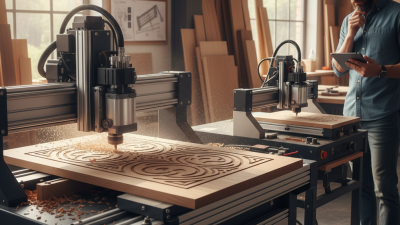
CNC woodworking machines find their place across various industries for their precision and versatility. In furniture manufacturing, these machines create intricate designs with minimal waste. Craftsmen can replicate detailed patterns easily, ensuring consistency in every piece. The ability to customize quickly allows businesses to adapt to market trends promptly.
In the cabinetry industry, CNC technology plays a pivotal role. These machines cut and shape materials with exact measurements. They reduce labor costs and manufacturing time. However, reliance on technology might lead to a loss of traditional craftsmanship skills. It’s essential to balance innovation with artistry.
The architectural sector also benefits from CNC woodworking machines. They enable the production of complex wooden structures and facades with surprising accuracy. Despite the advantages, projects can sometimes face delays due to software issues. Businesses must stay agile and responsive to these challenges to thrive. Identifying these potential pitfalls can enhance operational efficiency.