How to Choose the Best Nesting Machines for Your Business Needs?
Choosing the right nesting machines is crucial for your business. Many companies struggle to find the perfect fit. The right equipment can enhance efficiency and reduce operational costs. The wrong choice, however, can lead to wasted resources, both in time and money.
When selecting nesting machines, consider your specific needs. Analyze factors such as production volume, material types, and desired features. Take time to evaluate different options available in the market. Various machines offer distinct capabilities, and it's easy to feel overwhelmed. Pay attention to user reviews; they can provide valuable insights.
Don't overlook the importance of maintenance and support. Failure to do so may result in unexpected breakdowns. A machine that works well might require frequent repairs. Reflect on your long-term business goals. Choose a nesting machine that aligns with your vision and can adapt as your needs evolve. Consider these factors as you navigate your options.
Understanding the Types of Nesting Machines Available in the Market
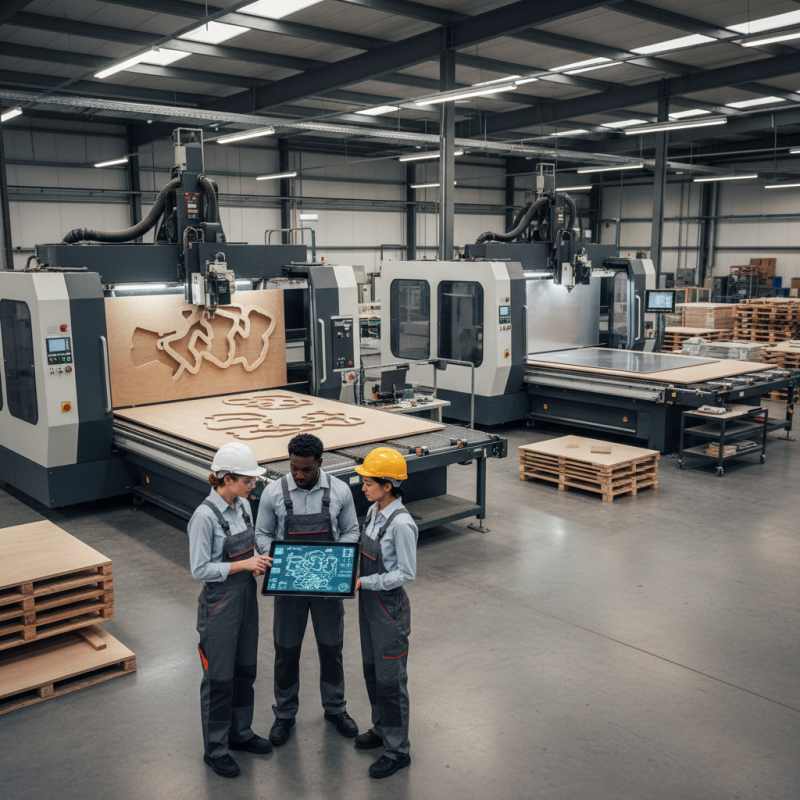
When exploring nesting machines, it's crucial to understand the different types available. There are primarily two categories: manual and automated machines. Manual machines require operator intervention and are often more affordable. However, they may not meet high production demands. Automated machines, on the other hand, enhance efficiency. They are ideal for businesses looking to scale operations.
Beyond these categories, consider specific features. Some machines offer customization options, allowing users to adapt to various materials. Others include advanced cutting technology, ensuring precision. It's essential to evaluate the specific needs of your business. Consider the volume of production, budget constraints, and desired output quality.
While choosing a nesting machine, reflect on your long-term goals. A machine that's suitable today may not fit future growth. Perhaps you'll need to adjust your approach later. Additionally, remember that maintenance can be a hidden cost. Balancing features with usability is vital. Don't overlook employee training; even the best machine is ineffective without skilled operators.
Analyzing Production Volume and Efficiency Metrics for Your Business
When selecting nesting machines, understanding your production volume is crucial. High production needs require robust machines that operate efficiently. It’s essential to analyze current output levels. Are you meeting your targets? If not, a different machine might be necessary.
Efficiency metrics play a significant role in the decision-making process. Look at downtimes and maintenance needs. How often do you face breakdowns? A machine that costs less upfront may require more repairs over time, impacting productivity. Be mindful of these hidden costs.
Tip: Regular assessments of machine performance can help improve overall output. Consider conducting a production audit every quarter. This practice identifies gaps that need addressing. Also, involve your team in finding solutions. Their hands-on experience can highlight issues management might overlook.
Evaluating Budget Constraints and Cost-Effectiveness of Nesting Machines
When evaluating nesting machines for your business, it's essential to consider budget constraints and cost-effectiveness. Industry reports suggest that effective nesting can reduce material waste by up to 20%. This advancement can directly improve your bottom line. However, the initial investment in high-quality machines can be significant, often ranging from $10,000 to $50,000.
Tips: Always calculate the return on investment (ROI) before making a purchase.
Look at the total cost of ownership. Purchase price, maintenance, and operation costs all play a role. It's easy to overlook ongoing expenses. Some machines may appear cheaper but can lead to higher operational costs over time. A study found that companies using efficient nesting software can save up to 30% in labor costs.
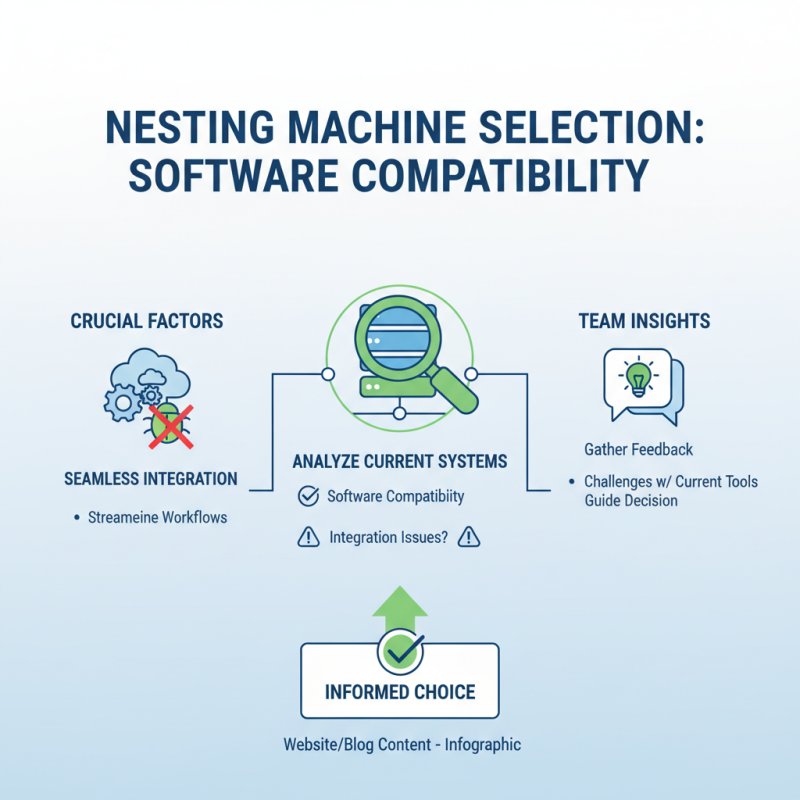
Tip: Research software solutions that integrate well with existing systems.
Evaluate your specific needs. Consider the types of materials you work with and your production volume. This information will guide you in selecting a suitable machine. Not every machine fits every purpose. Some businesses invest heavily, only to realize the equipment doesn't meet their needs. Reflect on what features are truly necessary before making your choice.
Cost-Effectiveness of Nesting Machines
Assessing Maintenance Requirements and Technical Support Options
Choosing the right nesting machines for your business goes beyond just performance. Maintenance requirements are crucial. A machine that breaks down often will disrupt production. Regular maintenance schedules are essential. Simple checks can prevent major issues. Look for machines with clear maintenance instructions. This clarity will save you time and money.
Technical support is another key factor. Machines can have complex issues that require expert assistance. Determine the support options available before making a decision. Is support offered online, over the phone, or on-site? Prompt and effective support can minimize downtime. Also, consider the availability of spare parts. If parts are hard to find, your production will suffer.
Sometimes companies overlook these aspects. They focus mainly on price and features. However, assessing maintenance and support can reveal hidden costs. Investing in reliable support may lead to long-term savings. Remember, the best choice is not always the most expensive. It’s about balance and the specific needs of your operation.