How to Choose the Best 5 Axis Machines for Your Manufacturing Needs?
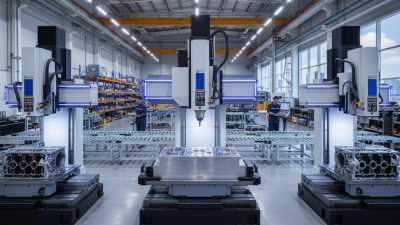
Choosing the right machining equipment is crucial for manufacturing efficiency. The demand for precision remains high in various industries. According to recent reports, 5 Axis Machines increase productivity by up to 30%. These machines are often favored for their ability to produce complex parts in a single setup.
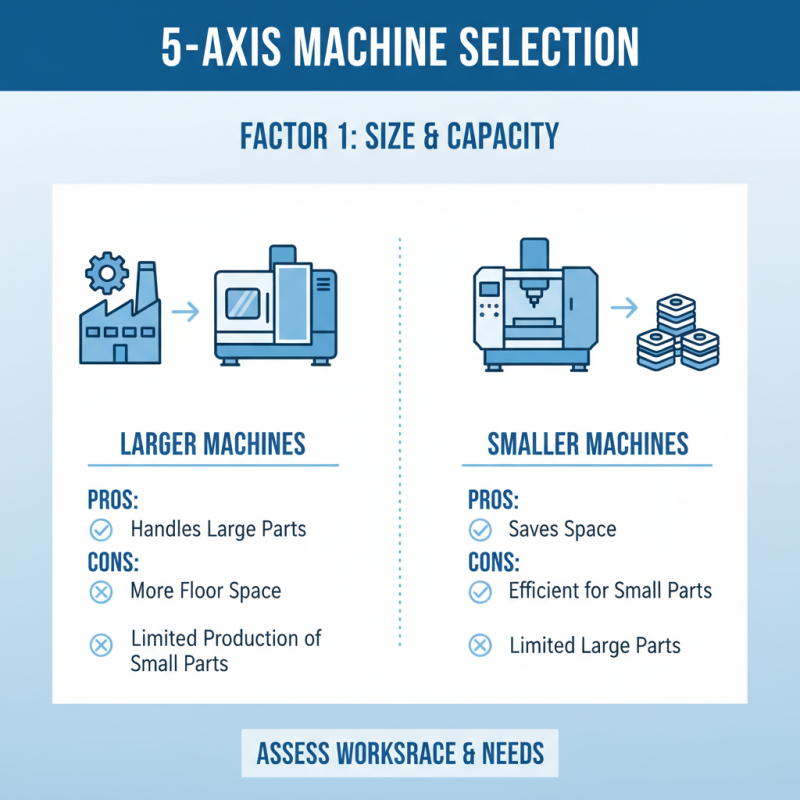
However, not all 5 Axis Machines are created equal. Manufacturers must evaluate their specific needs carefully. Factors like size, accuracy, and cost play a significant role in the decision-making process. A misstep could result in significant downtime or increased operational costs.
Moreover, while advanced technology offers benefits, it brings challenges too. Operators may need specialized training to fully utilize these machines. Inadequate training can lead to mistakes and inefficiencies. Organizations must weigh these aspects when choosing the best 5 Axis Machines for their needs.
Understanding 5 Axis Machining: An Overview of the Technology
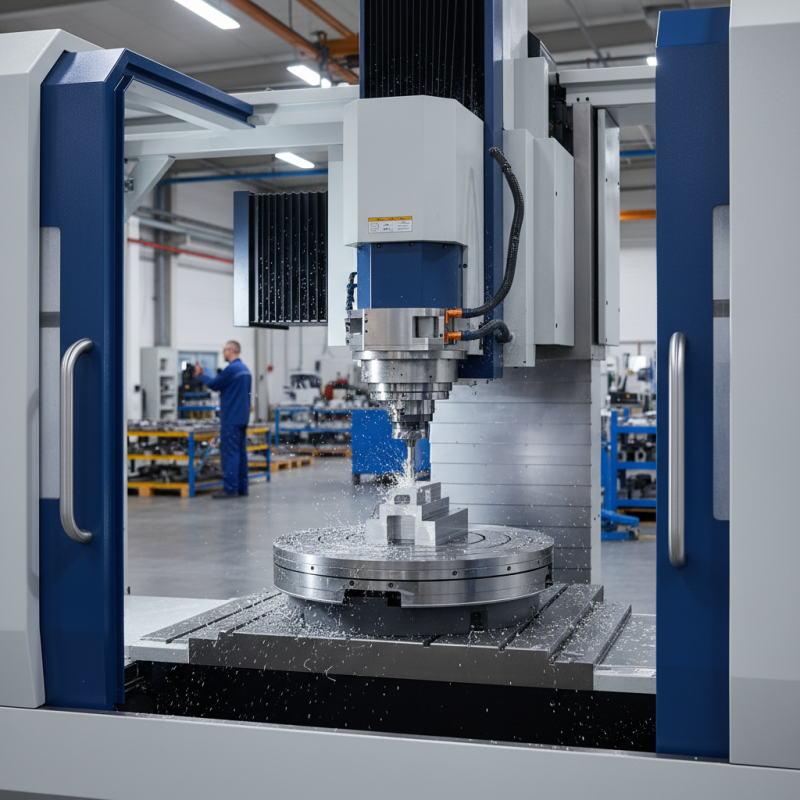
5-axis machining is gaining traction in the manufacturing sector. This process enables the creation of complex geometries with high precision. For instance, according to industry reports, over 60% of manufacturing firms now implement 5-axis technology to enhance operational efficiency. This is driven by the demand for intricate designs in aerospace and automotive industries.
The ability to maneuver tools along five different axes allows manufacturers to produce components that traditional machines cannot. Reports show that components can be machined in fewer setups, reducing inconsistencies. However, challenges remain. A lack of skilled operators can limit the full potential of these machines. Moreover, initial investment costs are a concern for many companies. Despite these hurdles, the trend is clear: 5-axis machining is a game-changer.
Precision is a game of details. The technology allows for tight tolerances, essential in advanced manufacturing. As reported, 5-axis machines deliver accuracy levels within microns, important for high-stakes applications. Yet, achieving optimal results requires careful planning and frequent machine maintenance. Missteps in setup can result in costly errors and wasted materials. This underscores the need for continuous learning and adaptation in this fast-evolving field.
Comparing Different 5 Axis Machine Brands and Models
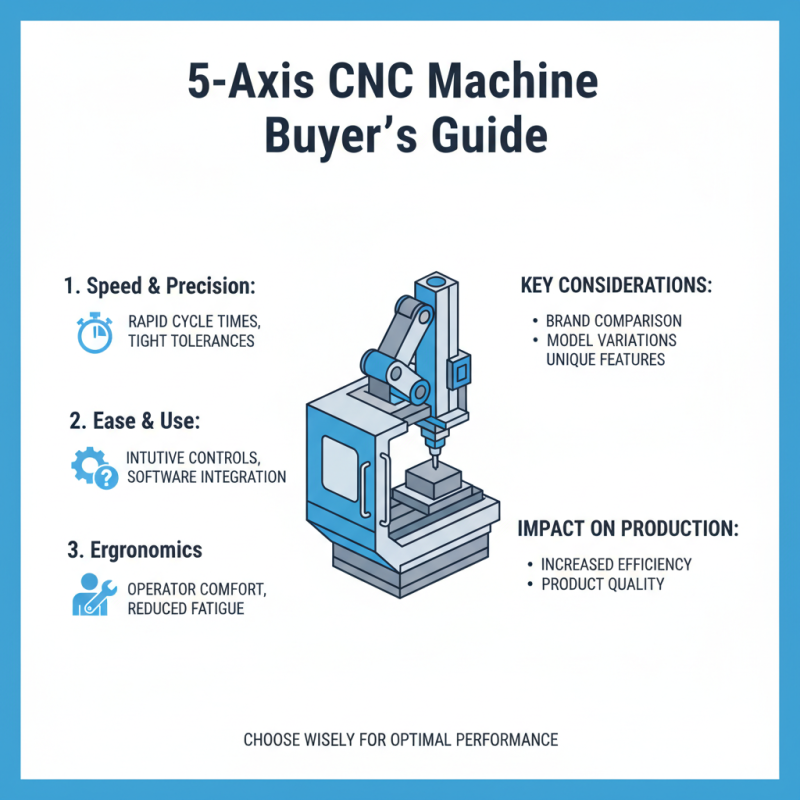
When shopping for a 5 axis machine, comparing various brands and models is crucial. Each one has unique features that can impact your production. Focus on key specifications like speed, precision, and ease of use. Ergonomics matter too. You want a machine that operators find comfortable to use. If a machine is difficult to handle, it can lead to errors.
Consider the software compatibility of the machine. An intuitive interface can streamline operations and reduce training time. Some brands excel in software integration, making them a better choice for complex projects. Don't forget to look at customer support and warranty options. A strong support system can save you time and hassle when issues arise.
**Tips:** Always request a demo before purchasing. Seeing the machine in action can reveal its strengths and weaknesses. Evaluate your specific manufacturing needs carefully. A top-tier machine may not be necessary for simpler tasks. Stay open to feedback from users in the field. Their insights can highlight real-world performance flaws or advantages.
Assessing Your Production Volume and Budget Requirements
Determining your production volume is crucial when selecting a 5-axis machine. A report from the Association for Manufacturing Technology indicates that businesses with higher production demands tend to benefit from more advanced machines. Consider the number of parts you plan to manufacture. Higher volumes require machines that can handle faster setups and greater efficiency.
Budget is another key factor. Industry data suggest that companies often underestimate costs. The initial purchase price is just the start. Maintenance and tooling add up. If your budget is tight, you may need to balance between capabilities and cost. Some machines offer high precision but at higher prices.
Tips: Look for financing options. This may help you afford advanced technology without immediate strain. Explore used equipment; they often deliver good value. Always consider the long-term return on investment over mere upfront costs. Ultimately, a balance between volume needs and budget constraints is essential. Evaluate your priorities carefully before making a decision.
Evaluating Maintenance and Support for 5 Axis Machines
Evaluating maintenance and support is crucial when choosing 5-axis machines. Regular maintenance ensures that these machines operate at peak performance. Downtime can be costly for manufacturers. Evaluate the frequency of required maintenance and the ease of accessing parts. Some machines may require specialized skills for repairs, which could delay service.
Consider the availability of technical support. A responsive support team can make a substantial difference in resolving issues quickly. Ask about response times and support hours. Machine complexity can make them harder to troubleshoot. Sometimes, basic issues may not have a straightforward fix, causing frustration.
It's also wise to examine the training provided. Operators need to understand how to utilize the machine effectively. Inadequate training can lead to misoperations and damage. Investing in continuous learning opportunities for staff is valuable for long-term efficiency. Ultimately, a well-supported machine tends to perform better and maintain productivity.