Why Choose 4 Axis Machines for Your Manufacturing Needs?
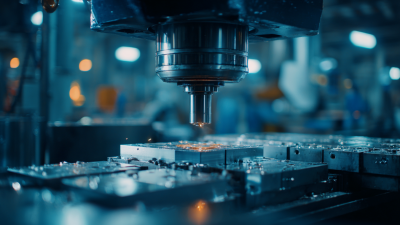
In the rapidly evolving world of manufacturing, precision and efficiency are paramount. Industry expert Dr. Emily Hart, a leading engineer in CNC technology, once stated, "4-Axis Machines offer unparalleled versatility in production." This statement underlines the increasing importance of 4-Axis Machines in modern facilities.
With the capacity to perform complex tasks, 4-Axis Machines expand the capabilities of traditional machining centers. They allow for multi-dimensional machining, crucial for intricate designs and components. However, many manufacturers still hesitate to adopt this technology. They worry about the costs and the learning curve involved. Yet, the advantages often outweigh the initial concerns.
Implementing 4-Axis Machines can enhance production efficiency significantly. They help reduce cycle times and improve the accuracy of parts. Companies that embrace these machines often report increased profitability and customer satisfaction. However, hesitation can lead to missed opportunities in a competitive market. As manufacturers reflect on their processes, asking why they haven't integrated 4-Axis Machines might reveal areas for growth.
Understanding the Basics of 4 Axis Machines in Manufacturing
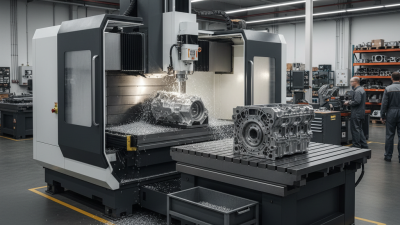
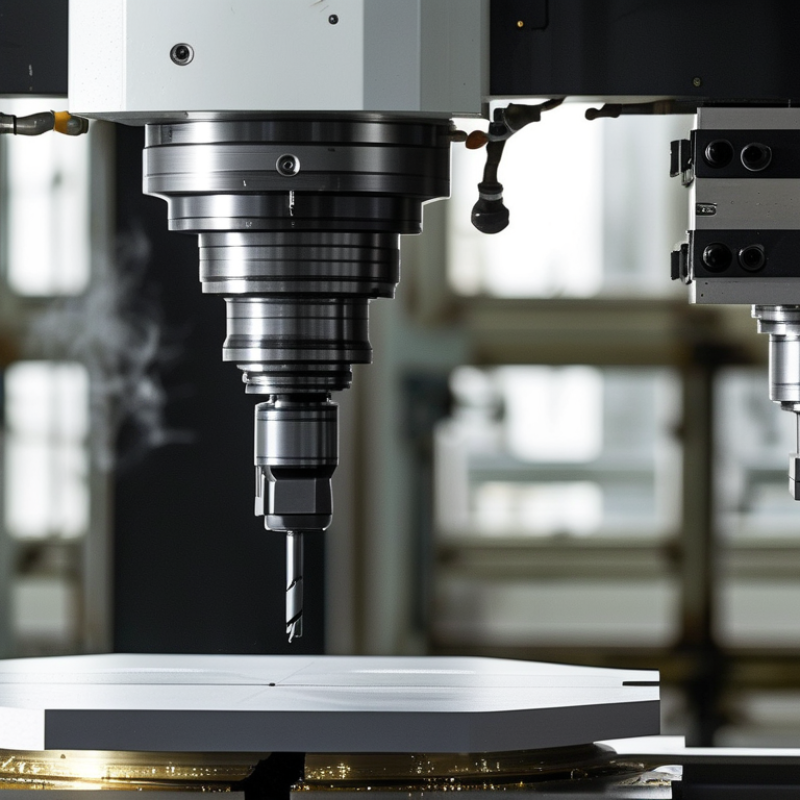
4-axis machines have become essential in modern manufacturing. They offer more flexibility than traditional 3-axis machines. These additional rotational axes allow for complex geometries that are hard to achieve with simpler setups. A 4-axis machine can maneuver parts as they are being cut, providing better surface finish and precision.
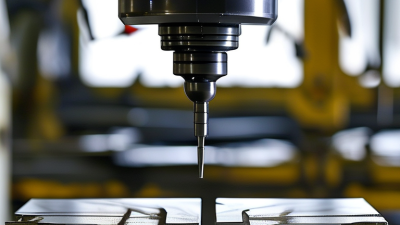
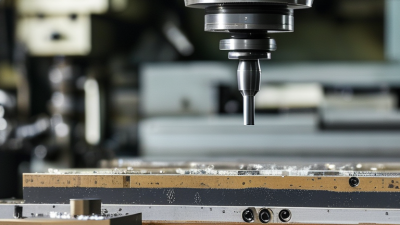
Understanding 4-axis capabilities is crucial. These machines are effective for creating intricate designs and detailed components. The extra rotational axis can rotate the workpiece, enabling cuts from different angles. This results in fewer setups and reduced production time. However, it also requires skilled operators familiar with advanced programming. Mistakes in setup can lead to wasted material and time, highlighting the need for training.
It's important to consider initial investment costs versus production efficiency. While 4-axis machines might demand higher upfront expenses, they can ultimately save costs through increased productivity. Not every shop may benefit from them—smaller operations with simpler tasks may find them unnecessary. Reflecting on the specific needs and capabilities of your manufacturing process is vital when deciding on the right equipment.
Why Choose 4 Axis Machines for Your Manufacturing Needs?
| Feature |
Description |
Benefits |
| Increased Flexibility |
Ability to work on complex shapes with various angles |
Enhances design possibilities and allows for unique product creation |
| Higher Efficiency |
Reduces the number of machine setups required |
Saves time and labor costs in production |
| Improved Precision |
Delivers greater accuracy than traditional 3-axis machines |
Ensures higher quality end products, reducing waste |
| Enhanced Tool Access |
Able to reach multiple faces of a workpiece without repositioning |
Minimizes the risk of tool wear and improves tool life |
| Versatile Material Handling |
Can handle a wide range of materials including metals and plastics |
Allows manufacturers to diversify their offerings and meet various market demands |
Key Advantages of Using 4 Axis Machines Over Traditional Options
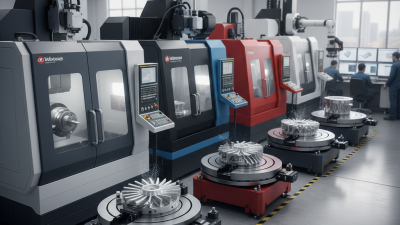
4 Axis machines offer significant advantages over traditional manufacturing options. They allow for complex geometries, reducing the need for multiple setups. With the ability to rotate on four axes, these machines improve efficiency and precision. This means fewer errors and less material waste. Manufacturers can produce intricate parts faster and with greater detail, meeting tighter tolerances.
Another key benefit is the enhanced versatility. While traditional machines often require tools to be changed manually, 4 Axis machines automate this process. This saves time and reduces the risk of human error. Operators can focus on monitoring quality instead of frequent adjustments. However, these advanced machines require skilled personnel to maximize their potential. Training may be necessary to ensure the workforce is prepared.
Adopting 4 Axis machines can lead to a learning curve. Companies may initially struggle with integrating new technology. The upfront investment might seem daunting. Yet, many find that these challenges are temporary. The long-term benefits, including improved productivity and precision, often outweigh the initial hurdles. 4 Axis technology may not be suitable for every scenario, so careful consideration is needed.
Applications and Industries That Benefit from 4 Axis Machining
4-axis machining offers remarkable versatility across various industries. This technology enhances production efficiency by allowing complex geometries in a single setup. Automotive and aerospace sectors benefit significantly from this innovation. For instance, 4-axis machines can create intricate engine components that require precise detailing. The ability to rotate the workpiece improves access to difficult areas, which ultimately enhances accuracy and reduces cycle time.
Tips: Consider the expected production volume before investing. A machine that excels in high-volume runs may not be suitable for low-volume custom jobs. Evaluate your specific needs carefully.
Medical devices are another area where 4-axis machines shine. The intricate designs of surgical instruments and implants require high precision and reliability. By utilizing 4-axis machining, manufacturers can produce parts that meet stringent quality standards. This capability allows for greater innovation in medical technology. However, adapting to these machines might require additional training for staff.
Tips: Look for ongoing training resources. Keeping your team updated ensures they maximize the machine's potential. Efficiency gains can quickly pay back the investment in technology.
Factors to Consider When Choosing a 4 Axis Machine
When choosing a 4 axis machine, there are several factors to consider. First, think about the specific materials you will work with. Different machines excel with various materials, such as metals, plastics, or composites. Understanding your material requirements can guide your decision toward the best machine.
Moreover, precision is crucial. Look for machines that offer tight tolerances suited to your projects. Machines with advanced features like adaptive feeds can enhance accuracy during complex operations. Evaluate how these features will impact your production process.
Tip: Always test a machine with a sample project before making a commitment. This hands-on approach can reveal hidden challenges.
Speed is another critical aspect. Some machines may be faster but sacrifice precision. Consider how speed aligns with your production goals. A balance between speed and quality will determine your overall efficiency.
Tip: Research past user experiences to gain insight into a machine’s reliability and maintenance needs.
Regular maintenance is essential to avoid unexpected downtimes. Machines need periodic checks to ensure operational efficiency. Reflect on how much time and resources you can allocate to upkeep.
Future Trends in 4 Axis Machining Technology and Innovation
In the rapidly evolving landscape of manufacturing, 4-axis machining is gaining traction. A report by MarketsandMarkets predicts the global CNC machining market will reach $100 billion by 2025, driven by advancements in technology. With the rise of Industry 4.0, 4-axis machines are becoming integral in enhancing precision and efficiency. They allow for more complex geometries and reduce cycle times, thus improving productivity.
New innovations in 4-axis machining technology are emerging. For example, integration with AI is allowing for better predictive maintenance. Businesses report a potential 20-30% reduction in downtime due to machine failures. However, not all manufacturers are adapting quickly. Some hesitate due to the initial investment costs and the need for skilled labor to operate these advanced machines. This creates a gap that could lead to competitive disadvantages.
Nonetheless, many industries recognize the potential of 4-axis capabilities. The automotive and aerospace sectors, for example, are increasingly turning to 4-axis machining for producing intricate components efficiently. The trend suggests that those who embrace this technology early may set themselves apart in the market. While challenges exist, the push for innovation presents opportunities that cannot be overlooked.