What is a 3 Axis Machine and How Does it Work?
3 Axis Machines have revolutionized manufacturing and machining processes across various industries. According to a report by MarketsandMarkets, the CNC machine market is projected to reach $100 billion by 2026. This growth highlights the increasing demand for precision and efficiency in machining.
These machines operate on three axes: X, Y, and Z. This allows for versatile movements in cutting, drilling, and milling material. They can produce intricate designs and shapes, making them essential in industries like aerospace and automotive. However, the reliance on these machines also shows a need for skilled operators to maximize their potential. More training programs are necessary to bridge this gap.
Despite their advantages, there are challenges. Costs can be high due to initial investment and maintenance. Companies must carefully consider these factors when integrating 3 Axis Machines into their production lines. Reflecting on waste management, the machining process can create excess material. Streamlining operations is crucial for efficiency and sustainability.
What is a 3 Axis Machine?
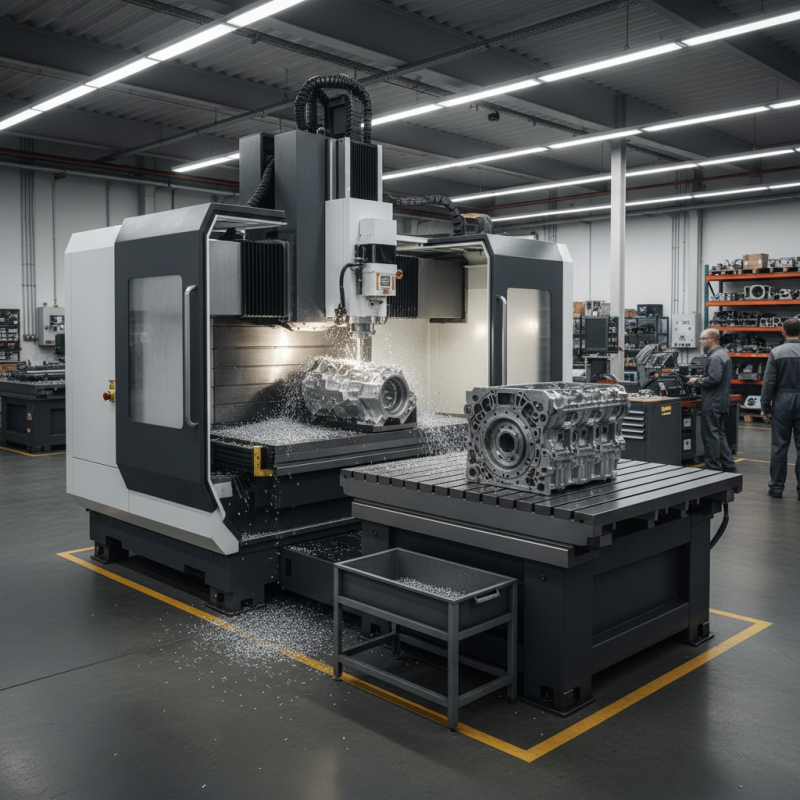
A 3 Axis Machine is a tool used in various industries for precise machining tasks. It operates on three axes: X, Y, and Z. Each axis allows the machine to move in a specific direction. The X-axis typically represents horizontal movement, while the Y-axis denotes vertical movement. The Z-axis is responsible for depth. This configuration enables complex shapes and cuts.
Imagine a block of metal on the machine. As the cutting tool moves along the X and Y axes, it can create intricate designs. When combined with the Z-axis movement, deeper cuts can be made. This versatility is essential for manufacturing parts in automotive and aerospace industries. However, getting the programming and settings right can be challenging. Mistakes can lead to wasted materials and time.
Operators must pay close attention to detail. Calibration errors can affect machine performance. A slight deviation may result in a flawed product. The learning curve can be steep for beginners. Regular practice is vital for mastery. Ultimately, a 3 Axis Machine is powerful but requires precision and patience.
Components of a 3 Axis Machine
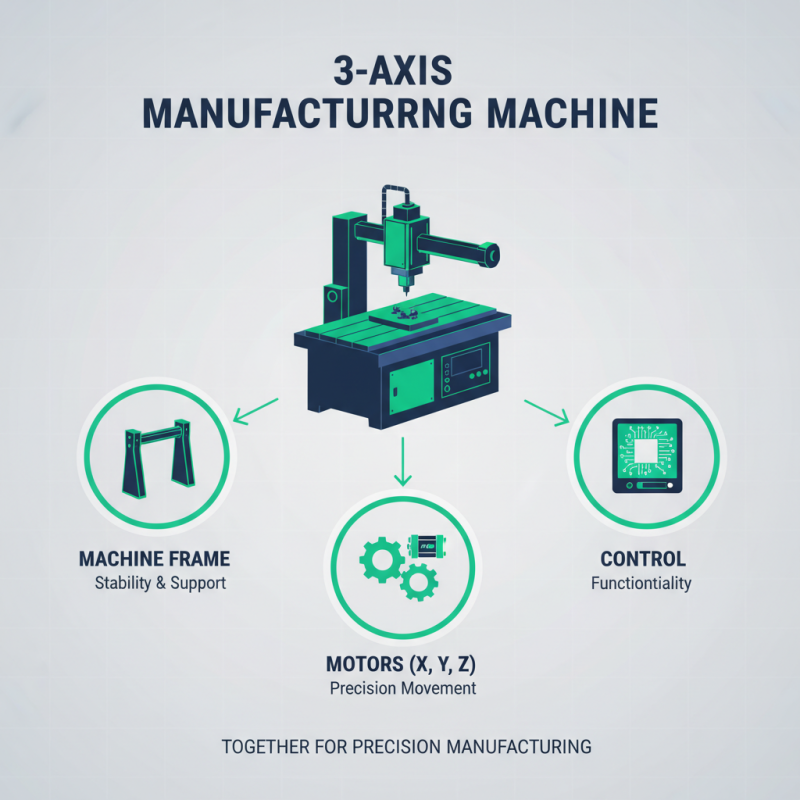
A 3-axis machine is a crucial tool in the world of manufacturing. Its components work together to achieve precision. The main elements include the machine frame, motors, and control systems. Each component contributes to the machine's overall functionality.
The machine frame provides stability. Often made from sturdy materials like steel, it absorbs vibrations. Maintaining structural integrity is vital. Motors allow for movement on the X, Y, and Z axes. They are typically stepper or servo types. These motors require high power for precision movement. According to recent industry reports, about 68% of manufacturers prioritize motor quality in their purchasing decisions.
Control systems are essential. They ensure accurate communication between components. An effective control system minimizes errors. However, achieving seamless integration is not always easy. Many operators face challenges with software compatibility. About 30% struggle with outdated systems. This can lead to inefficiencies. Attention to detail is crucial in the setup phase to avoid future headaches.
How 3 Axis Machines Operate
3 Axis machines are vital in modern manufacturing.
They operate using a system that moves tools along three axes: X, Y, and Z.
The X and Y axes enable horizontal movement, while the Z axis allows for vertical adjustments.
This combination lets the machine carve, engrave, or mill materials with precision.
The operation involves a computer-controlled program that directs the machine's movements.
Operators input designs using CAD software. The machine then interprets these designs.
Sensors ensure accuracy, but there can be errors.
Misalignments may occur, affecting the final product.
Adjustments often take time, requiring skill and patience. Regular maintenance is crucial for optimal performance.
Every machine can face challenges. Parts may wear out.
Programming errors can stymie progress.
It's important to have a troubleshooting plan. Reflection on these issues helps improve efficiency and reliability.
In conclusion, while 3 Axis machines are powerful tools, they require careful handling and attentiveness to maintain their effectiveness.
Applications of 3 Axis Machines in Industry
The application of 3-axis machines is widespread across various industries. These machines are crucial in manufacturing processes. They offer precision in cutting, shaping, and milling materials. A 2022 industry report indicated that roughly 65% of all CNC machining operations utilize 3-axis technology. This technology is particularly valuable in metalworking and woodworking sectors.
In aerospace, 3-axis machines efficiently produce complex components. The report noted a growing trend, with a 15% increase in 3-axis machine use for aerospace parts in the last year. However, this increase doesn’t come without challenges. Some operators struggle with maintaining accuracy over extended operation times. Errors can lead to significant material waste and increased costs. In the automotive industry, 3-axis machining is pivotal for creating intricate molds. Yet, companies report difficulties in optimizing workflows, sometimes leading to delays.
Despite its importance, there's a noticeable gap in operator training. Many facilities invest in new machines but overlook proper education for their staff. This often results in underutilization of advanced features. Improvements in training programs could enhance efficiency significantly. Embracing a holistic approach could mitigate these issues, ultimately improving production outcomes.
Advantages and Limitations of 3 Axis Machining
3 Axis Machining has revolutionized the manufacturing industry. It allows for precision cutting and shaping of materials. This method uses three axes to control the movement of the tool. The tool can move along the X, Y, and Z coordinates. This flexibility allows for intricate designs with good accuracy.
One significant advantage of 3 Axis Machining is its efficiency. It can produce complex shapes quickly. These machines often require less setup time than multi-axis machines. The process is also relatively easy to program. However, there are limitations. It can struggle with intricate geometries or deep cavities. Some parts may need additional tooling—this adds time and cost.
Another drawback is that it may not achieve the same level of finish as advanced systems. While 3 Axis Machines are great for many applications, they are not always the best choice. Some designs may demand higher precision. It’s essential to consider the specific requirements of each project. In the end, understanding both strengths and weaknesses is crucial for making the right decision.